The Evolution of Massage Services: 2026 Trends
As we move deeper into the 2020s, the world of massage therapy is undergoing a remarkable transformation. The shift towards wellness and self-care is more pronounced than ever, driven by a growing acknowledgment of the physical and mental health benefits associated with regular massage. In particular, 하남출장마사지 is at the forefront of this evolution, offering tailored solutions that meet the dynamic needs of modern consumers. As technology intertwines with traditional therapies, understanding these trends will be crucial for both practitioners and clients in navigating the future of wellness.
How 하남출장마사지 is Redefining Wellness
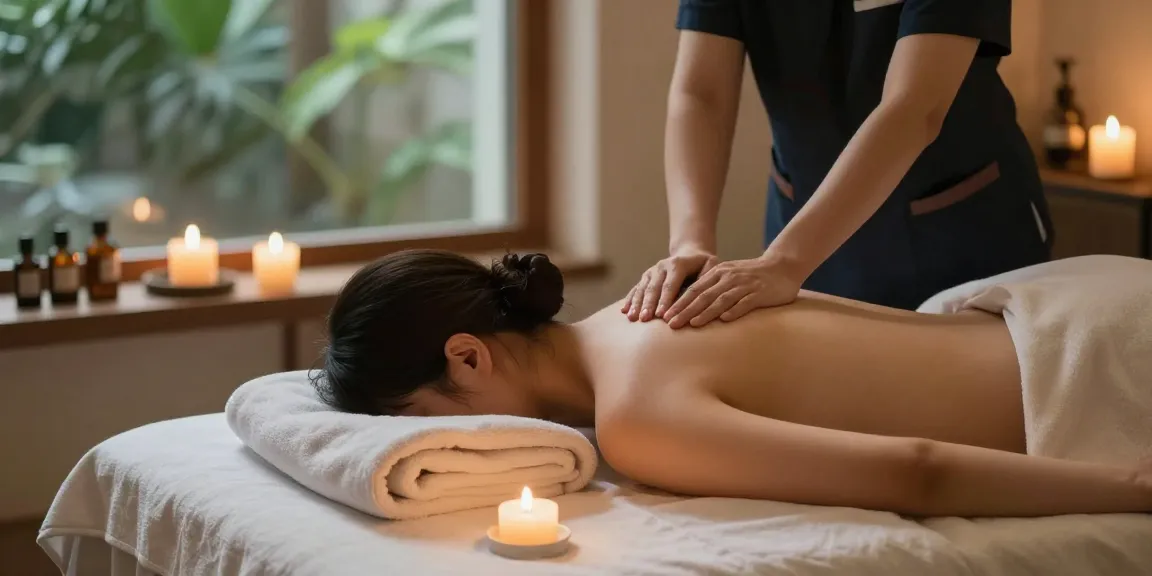
In today's fast-paced world, the demand for convenient, high-quality wellness services is continuously rising. Mobile massage services, like 하남출장마사지, are bridging the gap between accessibility and professionalism, providing services in the comfort of home, office, or hotel. This adaptability not only caters to consumer preferences but also emphasizes the personalized nature of wellness. Clients are now seeking experiences that align closely with their specific needs, and mobile services like 하남출장마사지 offer bespoke packages that incorporate various styles and techniques.
Benefits of Mobile Massage Services
Mobile massage therapy comes with a range of distinct advantages:
- Convenience: Clients can schedule sessions at their convenience without travel hassles.
- Personalization: Therapists can better understand client needs in a familiar environment.
- Increased relaxation: Being in a comfortable, private setting enhances the overall experience.
As mobile massage services continue to grow, the ability to cater to diverse clientele will further solidify their place in the wellness industry.
Integrating Technology in Massage Therapy
The incorporation of technology into massage therapy is not just a trend—it's a necessity. From booking appointments online to using apps that guide therapists in personalizing their techniques, technology is streamlining the experience for both clients and providers. Additionally, virtual consultations have emerged, allowing clients to receive guidance on wellness practices and techniques that can be beneficial for them, ensuring a more holistic approach to therapy.
Understanding Customer Expectations
With the increase in available options, understanding what customers expect from massage services is paramount. Today’s clientele is well-informed and selective, often requiring an elevated experience that combines relaxation, skill, and customization. Engaging effectively with consumers can create loyalty and long-term relationships.
Consumer Trends in Spa and Massage Services
Recent studies reveal that consumers are increasingly prioritizing self-care, with many looking for services that offer both physical and emotional support. The following trends are shaping the current landscape:
- Focus on Mental Health: Massage is being recognized not only for physical relief but as an essential component of mental well-being.
- Holistic Approaches: Clients are searching for treatments that consider their overall health, leading to an increase in demand for integrated wellness practices.
- Eco-Friendly Products: Many clients prefer spas that utilize sustainable products, reflecting a broader commitment to environmental stewardship.
How to Cater to Diverse Client Needs
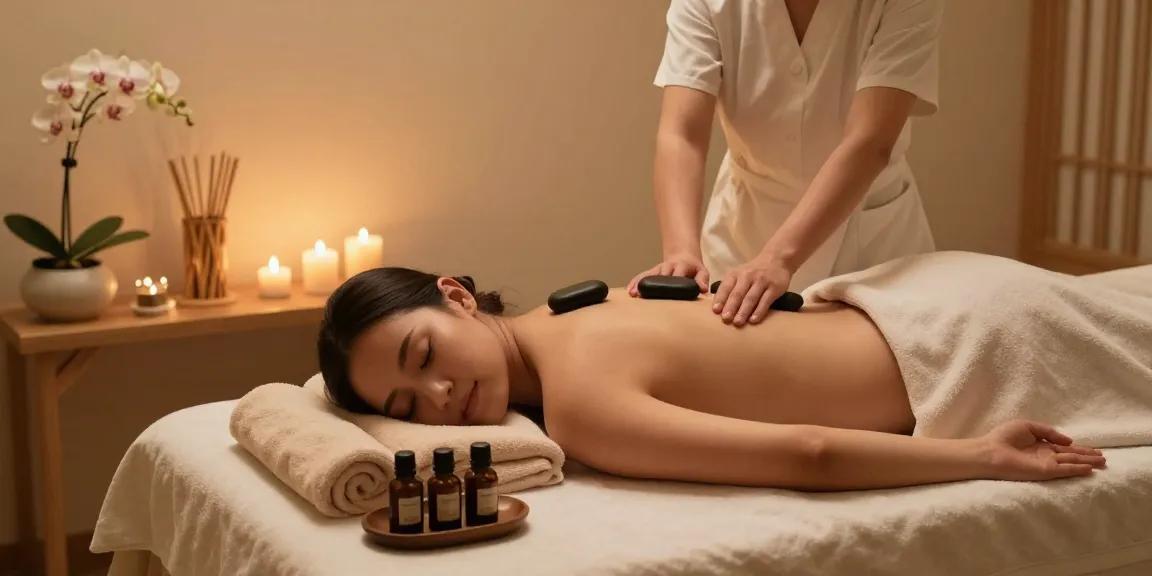
To successfully address varying client expectations, businesses must commit to continuous education and adaptability. Offering various massage techniques, including Swedish, deep tissue, and aromatherapy, allows therapists to cater to individual preferences. Furthermore, flexibility in scheduling, including evening and weekend appointments, ensures wider access to services.
Feedback Mechanisms for Quality Improvement
Establishing effective channels for client feedback is crucial for maintaining service quality. Online surveys, direct follow-ups, and comment cards can provide valuable insights into customer preferences and satisfaction levels. Regularly reviewing this feedback will empower spas and mobile services to enhance their offerings continually.
Best Practices for Effective Massage Therapy
Techniques to Enhance Customer Experience
Understanding the nuances of effective massage techniques is vital for providing an exceptional experience. Therapists must be well-versed not only in various massage styles but also in client communication. Elements such as maintaining an open dialogue before and during the session can lead to a more tailored service that leaves clients feeling valued and understood.
Essential Tools and Products for Therapists
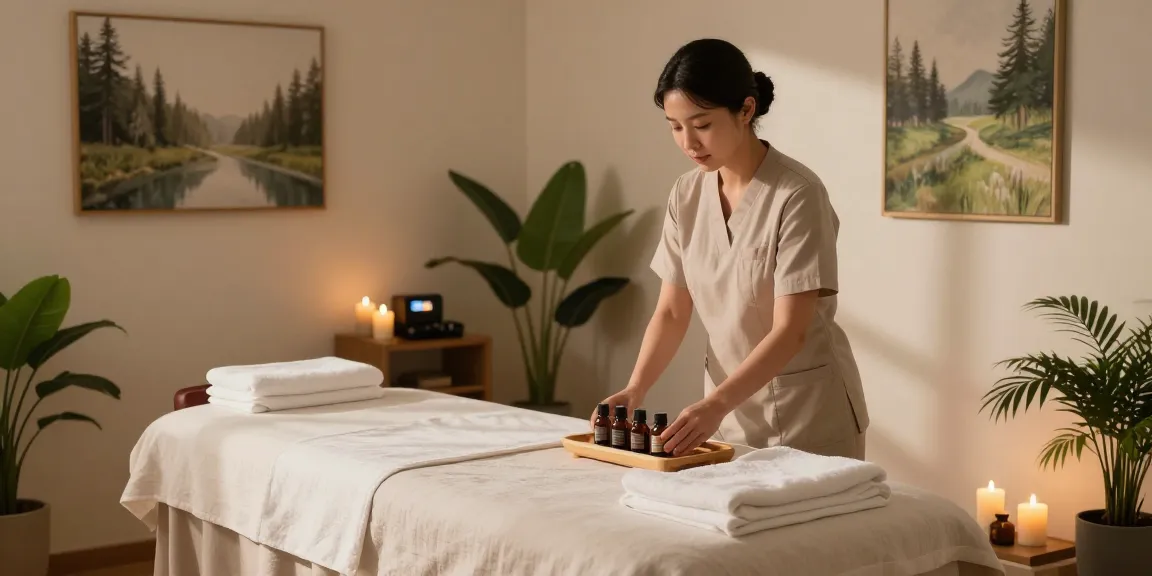
The right tools are essential for delivering high-quality massage services. From ergonomic tables to high-grade oils and lotions, investing in quality products can significantly enhance the effectiveness of treatments. Additionally, portable equipment is important for mobile services, ensuring that therapists can deliver an exceptional experience regardless of location.
Safety and Hygiene Protocols
In light of recent global health concerns, safety and hygiene have never been more critical. Therapists must adhere to strict sanitation protocols, including the use of sanitized tools and personal protective equipment (PPE) as needed. Educating clients on these practices also fosters trust and reassures them of their safety during sessions.
Real-World Success Stories
Case Study: A High-Performing Spa
Consider the case of Serenity Wellness Spa, which successfully integrated mobile services into its traditional offerings. By analyzing client feedback and consumer trends, Serenity adapted its practices to include personalized mobile sessions. This pivot not only increased their client base but also enhanced overall satisfaction, showcasing the power of adaptability in a competitive market.
Innovative Approaches in the Massage Industry
Innovative methods are transforming the massage industry, including the utilization of virtual reality for relaxation and stress relief. By introducing such technology, spas can offer unique experiences that distinguish them from competitors while also appealing to tech-savvy consumers.
Key Takeaways from Successful Strategies
Taking inspiration from successful businesses reveals several key strategies:
- Prioritize client feedback to shape service offerings.
- Embrace technology to streamline operations and enhance customer experience.
- Remain adaptable to consumer trends and emerging demands.
Future of Wellness: Emerging Trends
Predictions for 2026 and Beyond
The future of wellness services lies in their ability to adapt to emerging trends. In 2026, we can anticipate an increased integration of technology, with AI playing a role in personalizing massage experiences and predicting client needs. Additionally, therapy types that incorporate mindfulness and mental well-being will likely see a surge in popularity.
How Global Events Influence Wellness Habits
Global events, such as pandemics or economic shifts, have a profound impact on wellness habits. These influences create a ripple effect that can reshape client priorities and expectations. Understanding this dynamic allows providers to better prepare and pivot in alignment with customer desires.
Preparing Your Business for Future Changes
Adapting to change requires foresight and flexibility. Businesses that invest in ongoing training for their staff and innovative tools will position themselves as leaders in the wellness industry, ready to meet future challenges head-on.
What Is the Next Big Thing in 마사지 Services?
As we look forward, the next big trend in massage services may revolve around increased collaboration with other wellness practices, such as yoga and nutrition. Integrative services that address multiple aspects of health will likely attract consumers eager for comprehensive care.
Building Resilience in the Face of Industry Challenges
Building resilience within the massage therapy industry involves staying informed about best practices and keeping an eye on emerging trends. This includes leveraging technology for marketing, scheduling, and customer engagement, ensuring that businesses can withstand any future disruptions.